
A comfortable continence care routine starts with understanding your bladder leak patterns and choosing the right products to match them. However, for many Australians living with urinary incontinence, the challenge is often knowing where to start rather than managing the condition itself.
At Ontex Healthcare, we work with carers and families every day who are looking for practical ways to handle incontinence with less stress and more confidence. And honestly, a few small, consistent steps can change how manageable daily life feels.
In this article, you’ll learn how to build a bladder-friendly routine, choose the right continence products, and find support when you need it. Read on, and you’ll have a clear, simple plan to work from.
What a Good Continence Care Routine Actually Looks Like
A good continence care plan combines consistent toilet timing, the right incontinence products, and simple exercises that build bladder control over time. Yet many people struggle to maintain that system because nobody has shown them how to put those pieces together.
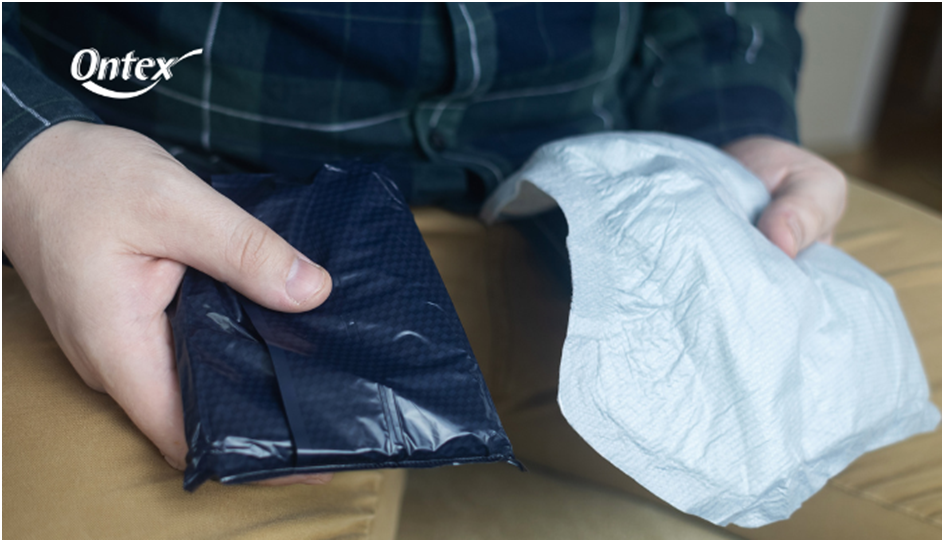
The challenge becomes even harder as bladder leaks don’t follow the same pattern for everyone. Daily habits often influence when symptoms occur and how severe they become.
Before finalising your routine, two areas worth looking at first are your regular timing and your toilet schedule.
1. Spotting the Patterns That Affect Your Day
Leaks and urges rarely occur without a reason, and tracking when they occur helps you spot what needs attention (even one day of notes helps). These three factors influence how your bladder behaves day to day:
- Fluid and Food Choices: Caffeine, acidic foods, and alcohol irritate the bladder lining and increase how often you feel the urge to urinate. For example, swapping one coffee for water can reduce urgency more quickly than you might expect.
- Bowel Habits: When bowel movements become less regular, extra pressure builds around the bladder and can worsen leakage. You can reduce that pressure by increasing fibre and fluid intake.
- Time of Day Patterns: Record leaks and urges across different times of the day to spot recurring behaviours. Generally, bowel changes, including loose faeces or difficulty passing poo, follow similar trends and are worth tracking alongside bladder symptoms.
A simple diary tracking these three areas helps you and your doctor identify common causes before they become harder to cope with.
2. Building Toilet Timing Into Your Daily Schedule
Scheduled toilet visits train the bladder to empty at predictable times, which reduces the chance of accidents between visits.
You can start by visiting the toilet every 1 to 2 hours, even without a strong urge. This gives your bladder a chance to empty and reduces urgency quickly. Pre-bed and post-meal visits are also worth prioritising because bladder pressure often increases around these times.
Once you feel more in control, aim to extend the gap between visits by 15 minutes each week. The goal here is to slowly retrain your bladder to relax between visits and tighten only when needed.
Choosing the Right Incontinence Products for Your Routine
People of all ages experience incontinence, including those living with a disability. As a result, Australia now offers a much wider range of products than it did a few years ago. With the right incontinence products, daily life becomes noticeably easier and less stressful to manage.
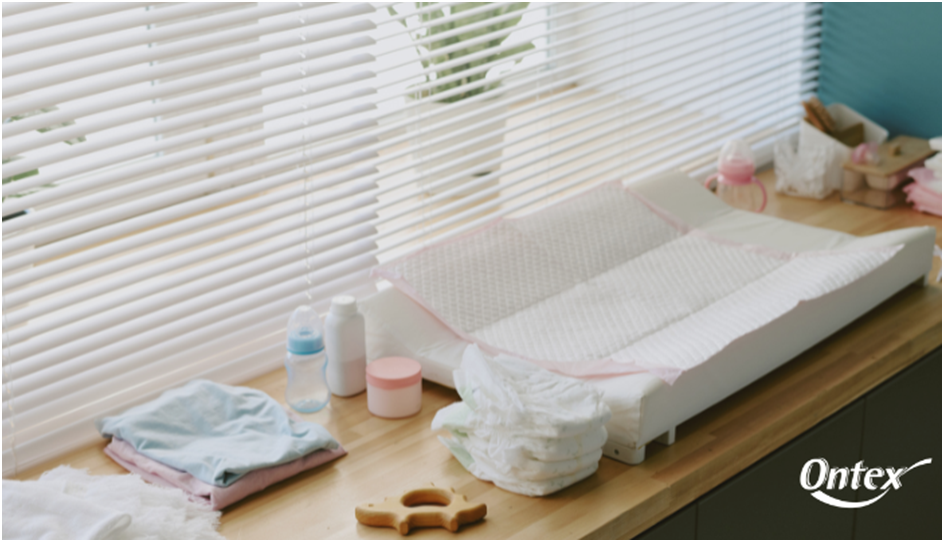
These three product types cover most regular needs:
- Absorbency Level First: Incontinence pads and protective garments come in light, moderate, and heavy absorbency options. So you should match the product to the volume of leakage rather than to how often leaks happen.
- Product Type for the Situation: Pants work well for active routines, while all-in-one slips and shaped pads suit people with limited mobility. Devices like bed pads also add overnight protection without disrupting daytime activity.
- Trying Before Committing: Many Australian continence brands like Ontex Healthcare offer free samples, which is the most practical way to check fit and comfort. In our experience, carers who try samples first almost always find a better fit than those who buy in bulk immediately.
Bottom Line: Finding the right fit may take some trial and error. Yet getting the absorbency level, product type, and fit right can make continence care far more comfortable and manageable.
Pelvic Floor Muscles and Bladder Leakage Management: A Simple Daily Practice
A few minutes of pelvic floor exercises can improve bladder control and reduce leakage over time. That said, incontinence products handle the symptoms, and daily exercise addresses the underlying muscle weakness that contributes to leakage.
Let’s have a look at how these exercises work and how to build them into a simple routine.
Pelvic Floor Exercises Help With Stress Incontinence
Stress incontinence is one of the more common urinary symptoms in women, though men experience it too. It happens when physical pressure on the bladder causes leakage during everyday movements.
In many cases, stronger pelvic floor muscles provide better support for the bladder during those movements. We’ve seen people reduce their leakage episodes significantly within 6 to 8 weeks of following a simple routine.
Here’s what strengthening your pelvic floor muscles actually does for your symptoms:
- Reduces Leakage During Movement: Coughing, sneezing, and lifting put sudden pressure on the bladder, which leads to leakage if the pelvic floor muscles lack sufficient strength. That’s why strengthening these muscles builds the support needed to prevent leakage during everyday activities.
- Addresses the Cause Directly: Most effective treatments for stress incontinence target muscle weakness at its source rather than managing symptoms alone. As a result, pelvic floor training has become one of the most widely recommended non-medical treatment options across different severity levels.
- Supports Long-Term Bladder Control: Regular exercise improves your ability to tighten and relax the pelvic floor muscles when needed. So you get better control throughout the day.
Building this kind of strength takes time, but the improvement in symptoms makes it worth the effort.
A Basic Exercise Routine You Can Start Today
To give you a clear starting point, here are practical examples of how to structure your daily pelvic floor sessions (seated versions work just as well).
- First, tighten the muscles between your legs and hold for 10 counts, then fully relax for 4 counts before repeating
- Aim for 10 slow squeezes per session to begin with
- After that, add 10 fast squeezes, tightening and releasing quickly to train the muscles to respond under sudden pressure, like coughing
Later, your doctor or a continence health professional can properly assess your progress and adjust the routine if needed. Most people notice visible results within about 3 months, so practising consistently counts more than working harder in shorter bursts.
Skin Care and Hygiene Solutions for Daily Comfort
A good hygiene routine protects the skin from irritation and damage, which makes continence care easier to manage day after day.
Many people focus on leakage management and overlook skin care until discomfort appears. Yet prolonged contact with urine or faeces can quickly weaken the skin’s natural barrier, which increases the risk of soreness, rashes, and infection.
For that reason, gentle cleansing after each change plays an important role in daily continence care. It removes residue while helping the skin retain its natural moisture. Products designed specifically for continence care can also clean the skin thoroughly without causing additional irritation.
After cleansing, applying a barrier cream adds another layer of protection. The cream shields the skin from ongoing moisture exposure and helps reduce the risk of skin breakdown. As part of a regular plan, this simple step can prevent many common skin problems before they start.
With your routine and products sorted, knowing where to turn for extra help rounds everything out.
Getting Extra Continence Support in Australia
Continence care does not have to be something you handle on your own. Australia offers a range of support services, healthcare professionals, and funding programs that can make continence management easier.
| Resource | What It Offers |
| National Continence Helpline | Free, confidential advice from continence health professionals |
| National Public Toilet Map | Locates nearby public toilets across Australia |
| CAPS Scheme | Government-subsidised continence products for eligible Australians |
| Your GP | Tests, medications, referrals, and bowel incontinence management |
For carers trying to cope with the day-to-day demands of continence support, the National Continence Helpline is a good first contact point.
Health professionals there can assess your situation, provide customised advice, and connect you with local services across Australia.
Your Daily Routine Starts Now
Building a continence care routine doesn’t need to happen all at once. Start with a single adjustment, like tracking your patterns, improving your diet, or reducing caffeine and smoking, then add other changes gradually.
Severity varies from person to person, and so does the pace of improvement. What helps one person handle their symptoms may need adjusting for another. Carers supporting a family member, including children with continence trouble, often benefit from making small lifestyle changes.
Over time, those adjustments can make daily management much smoother.
If you are ready to take the next step, explore the full range of continence products at Ontex Healthcare. You can also call the National Continence Helpline on 1800 33 00 66 for free to get helpful advice from a health professional today.